What Does Mushroom Coffee Taste Like? A Straight Answer
Mushroom coffee usually tastes more like coffee than mushrooms. Learn what changes the flavor, what to expect from each format, and how to choose your first cup.
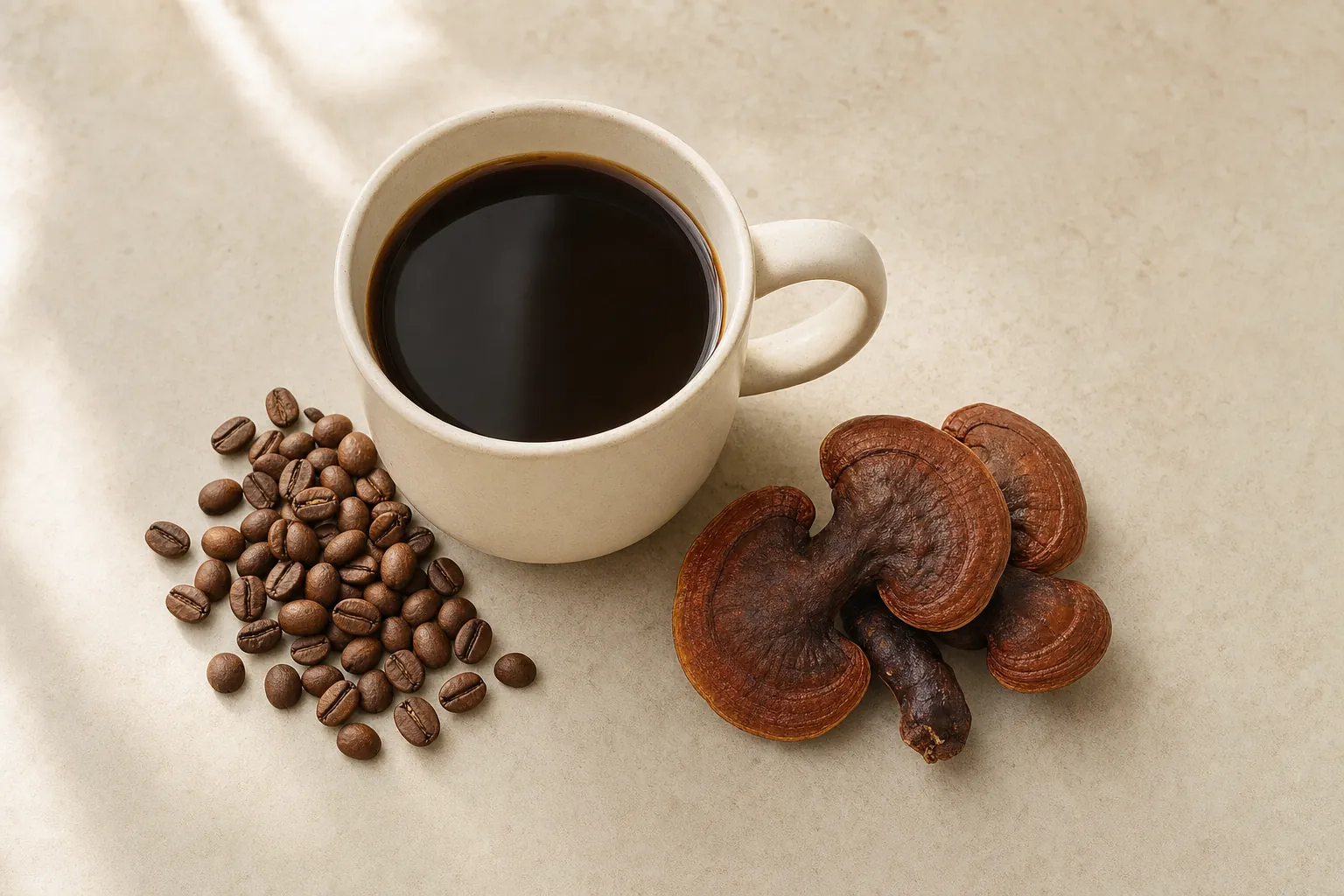
Mushroom coffee usually tastes far more like coffee than mushrooms. If the blend starts with coffee, expect a familiar roasted, bitter cup with a slightly earthier edge. You are not drinking mushroom soup in a mug. The surprise for most first-timers is how much the coffee base still leads the flavor.
The honest answer also depends on the format. Coffee grounds or instant coffee blended with mushroom extracts are usually closest to a standard cup. Coffee-free alternatives are a different drink entirely: they may lean into cacao, chicory, cinnamon, coconut, or herbs. Some are smooth and cozy. Others are more savory, bitter, or sweet than a coffee drinker expects.
That is why the word “mushroom” alone is not enough to predict the taste. The coffee, roast, mushroom extract, creamer, sweetener, and serving method all matter. Once you know what to look for on a label, choosing a first cup gets much less mysterious.
The short answer: coffee first, earthiness second
In a coffee-based blend, the flavor you notice first is usually coffee: roast, bitterness, toastiness, acidity, and whatever notes the beans bring. Mushroom extracts tend to add a quieter earthy or woody note rather than the flavor of sauteed button mushrooms. Ochsner Health describes mushroom coffee as tasting more like regular coffee than expected, with a little extra earthiness. That is a fair starting expectation, especially for a blend built around coffee.
A recent tasting review from Serious Eats reached a similar conclusion after trying several formats: mushroom-infused grounds generally tasted close to normal coffee with a slight earthy note, while instant and coffee-free mixes varied much more because of ingredients such as cacao, coconut milk powder, and sweeteners. The format tells you more than the marketing buzzword.
Think of it this way: mushrooms can be a background note, but they do not erase the personality of the coffee. A dark roast can still taste dark and bold. A sweet latte mix can still taste creamy and sweet. A coffee-free blend might not taste like coffee at all, even when it is sold as a coffee alternative.
If your regular order is a dark, unsweetened drip coffee, a mushroom blend may feel a little softer, woodier, or less bright than the coffee you normally drink. If your usual order is a vanilla latte, the mushroom note may be almost invisible behind milk and sweetness. The best expectation is not “this will taste exactly the same” or “this will taste wildly strange.” It is “this is a coffee-style drink with one more layer in the background.”
Why it does not taste like a plate of mushrooms
Most mushroom coffee is made with dried mushroom powder or concentrated extract, not chunks of culinary mushrooms floating in brewed coffee. The extraction and blending process matters. It lets brands use a relatively small amount of mushroom material alongside coffee, so the familiar roasted profile stays recognizable.
That does not mean mushrooms have no flavor. Mushrooms are known for savory umami notes, and some varieties bring bitterness or woodiness. Harvard Health describes mushrooms as adding a rich, brothy flavor in savory foods. In coffee, that savory character is usually much more restrained because it is sitting behind roast and bitterness rather than being the main event.
Reishi, also called Ganoderma lucidum, is a good example of why formulas differ. The National Center for Biotechnology Information notes that triterpenes contribute to its bitter taste. A blend with more pronounced Reishi notes may taste a little drier or more bitter than one built around a mild extract. That is a flavor observation, not a promise of any special effect.
Two types of mushroom coffee taste very different
The easiest way to avoid a disappointing first cup is to separate coffee-based blends from coffee-free alternatives. They are often sold in the same broad category, but they answer different taste preferences.
Coffee-based blends use regular coffee or instant coffee plus mushroom extracts. These are the safest starting point for someone who likes a recognizable coffee taste. You may notice a little extra earthiness, but black coffee drinkers can usually approach them as they would any other coffee product.
Coffee-free alternatives use ingredients such as chicory, dandelion root, cacao, cinnamon, or herbs to create a roasted, dark, or comforting drink without relying on coffee beans. Some people enjoy their cocoa-like or spiced character. Others find them too far from coffee. Neither category is better. The right choice depends on whether you want coffee with an added ingredient or a completely different morning ritual.
For shoppers who want less caffeine, the same distinction still matters. Some coffee-free alternatives are low in caffeine, but others use cacao, tea, or guarana. The mushroom coffee caffeine guide explains what to check before assuming a drink is gentler than your usual cup.
A quick label check can save you from buying the wrong experience. Look for “coffee,” “instant coffee,” or “coffee extract” near the beginning of the ingredient list when you want a familiar cup. Look for chicory, cacao, dandelion root, spices, or herbal ingredients when you are open to a coffee alternative. That one distinction is more useful than trying to guess flavor from the mushroom name alone.
What changes the flavor from one cup to the next
The mushroom itself is only one part of the taste. Four label details usually have a bigger impact on whether you will like the cup.
- The coffee base. Arabica, Robusta, instant coffee, brewed grounds, and espresso-style coffee each bring a different level of bitterness, body, and roast. A good coffee base gives the mushrooms less room to dominate.
- The roast level. Darker roasts tend to bring deeper toast, cocoa, and bitterness. Medium roasts can feel brighter or nuttier. If you already know your normal coffee preference, start there.
- Milk, creamer, and sweetener. A latte packet with cream and sugar will taste softer and sweeter than an unsweetened black coffee blend. Coconut milk powder, stevia, and flavored creamers can be more noticeable than the mushrooms themselves.
- The mushroom and extract amount. Reishi can read as bitter; other mushrooms may feel mild or simply earthy. More is not automatically better for taste. The blend still needs to make a cup you want to drink tomorrow.
Serious Eats found that mixes without pre-added creamer or sweetener were easier to tailor to personal taste. That tracks with a simple home test: when you control the milk and sweetness, you can find out whether you enjoy the actual coffee base before covering it up.
What to expect if you like black coffee, lattes, or espresso
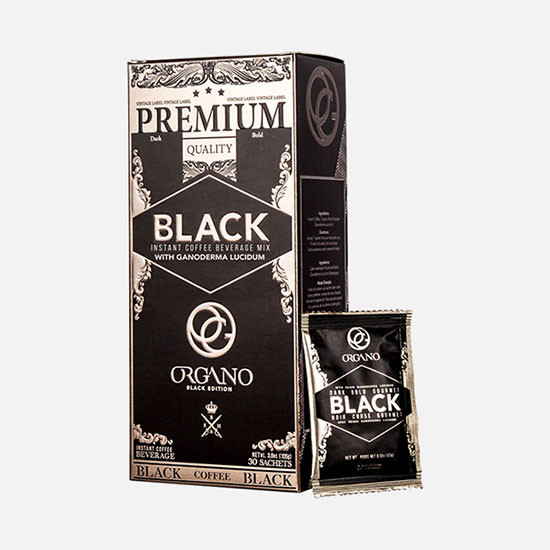
Black coffee drinkers: Start with an unsweetened coffee blend. A product such as Gourmet Black Coffee keeps the choice simple: you get a robust instant coffee base and can decide whether to drink it straight, add milk, or add a little sweetener. This is the easiest way to learn whether the extra earthiness works for you.
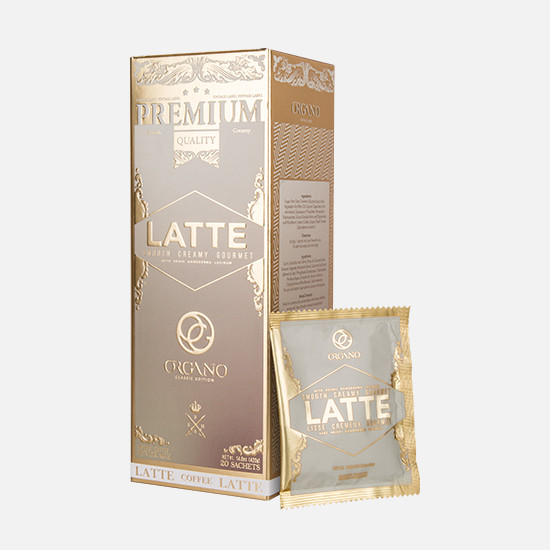
Latte drinkers: A creamy mix can be the friendliest first step because cream and sweetness round off sharper roasted and earthy notes. Gourmet Cafe Latte is built for that softer cafe-style profile. It will not taste like a black pour-over, and that is the point.
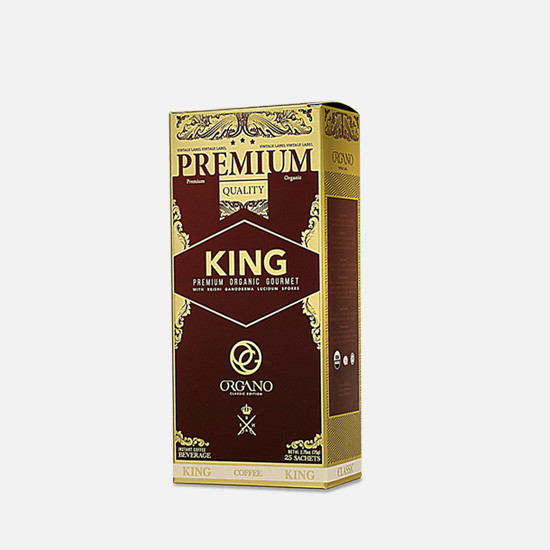
People who like a deeper coffee cup: Choose a product that starts with a clear coffee identity rather than a long list of flavoring ingredients. The Organic King of Coffee uses medium-dark organic arabica with Ganoderma, which makes it a more natural fit for someone looking for a fuller coffee profile.
Espresso fans: Do not assume every mushroom coffee will recreate a concentrated espresso shot. If your favorite part of coffee is intensity and crema, a regular coffee capsule may be the better match. The coffee collection makes it easier to compare the available formats instead of forcing one style to do every job.
There is no prize for choosing the most adventurous blend. A good first cup is the one you will actually finish without forcing yourself through it. If your taste runs classic, begin classic. If you love a creamy, sweeter cafe drink, start there. The functional part of a routine only matters after the routine is enjoyable enough to repeat.
How to make the first cup taste better
Do not judge the entire category from a single rushed cup. Make the product as directed first, using the stated serving size. An instant blend that is too concentrated can taste muddy or overly bitter; one made too weak can taste thin and strange. Start with the instructions, then make one small adjustment at a time.
If the cup feels too earthy, add a splash of milk or your usual plant-based alternative. If it feels too bitter, try a small amount of sweetener or pair it with food. If it tastes too sweet, choose an unsweetened coffee-based blend next time so you can control the balance. And if you simply dislike the first format, switch formats before writing off mushroom coffee altogether. A black coffee drinker may dislike a sweet latte packet while still enjoying a straightforward coffee blend.
One practical tip: do not expect a mushroom drink to taste “healthy.” That is not a flavor. Choose the cup that matches the coffee ritual you already enjoy, then let the ingredients be a secondary consideration.
For a simple at-home taste test, make one cup with hot water only and take a few sips before adding anything. Then add the amount of milk or sweetener you would normally use. This lets you separate the blend’s natural roast and earthiness from the changes made by your add-ins. It is a small step, but it keeps you from deciding a product is “too mushroomy” when the real issue is that it was mixed too strong or served in a style you do not usually enjoy.
Choosing a first cup from Mushroom Coffee Boost
Mushroom Coffee Boost is most helpful when it gives you a clear comparison instead of one vague promise. Start with your normal order: black coffee drinkers can begin with an unsweetened coffee option, latte drinkers can choose a creamy format, and curious shoppers can use the Coffee Selection Variety Pack to try more than one style before committing to a favorite.
If you want the simple version, use taste as the first filter. Pick the format you already like, prepare one serving as directed, and make a note of whether you want more body, more sweetness, less bitterness, or a cleaner coffee finish. The full shop has the current product details and prices when you are ready to compare.
The bottom line: mushroom coffee usually tastes like coffee with an earthy supporting note, not like a mushroom dish. Coffee-based blends are usually the closest match to a normal cup. Coffee-free alternatives are their own category. Start with the flavor profile you already enjoy, and your first try has a much better chance of becoming a repeat ritual.
Frequently asked questions
Does mushroom coffee taste like regular coffee?
Coffee-based mushroom blends usually taste much closer to regular coffee than to a cooked mushroom dish. The most common difference is a subtle earthy, woody, or bittersweet note. Coffee-free alternatives can taste very different because chicory, cacao, spices, creamers, and sweeteners lead the flavor.
Does mushroom coffee taste like mushrooms?
Usually not strongly. Extracts are commonly blended into coffee in a way that keeps the coffee flavor in front. A stronger mushroom taste is more likely in coffee-free blends or mixes with a larger amount of earthy ingredients.
Which mushroom coffee is best for someone who likes black coffee?
Start with an unsweetened coffee-based blend. It is the closest match to a familiar black cup and lets you control any milk or sweetener yourself.
How can I make mushroom coffee taste better?
Use the preparation method that fits the product, then adjust one thing at a time. A splash of milk can soften bitterness, while a small amount of sweetener can round out a latte-style drink. Avoid adding too much at once so you can tell what the blend itself tastes like.
Related posts
 Coffee
How to Make Mushroom Coffee: 3 Easy Ways
Make mushroom coffee with an instant blend, brewable coffee, or a simple at-home mix. Learn which method fits your routine and how to make the cup taste right.
CoffeeDoes Mushroom Coffee Have Caffeine? What to Know
Most mushroom coffee has caffeine, but usually less than regular coffee. Here is how to read labels, compare blends, and pick the right cup.
CoffeeHealth and Coffee: A Perfect Blend in Wellness Cafes
A look at how coffee culture is shifting toward better ingredients, calmer rituals and functional drinks.