Mushroom Coffee Side Effects: What to Know
Mushroom coffee can still contain caffeine and other active ingredients. Learn what to check, who should be cautious, and how to try a blend thoughtfully.
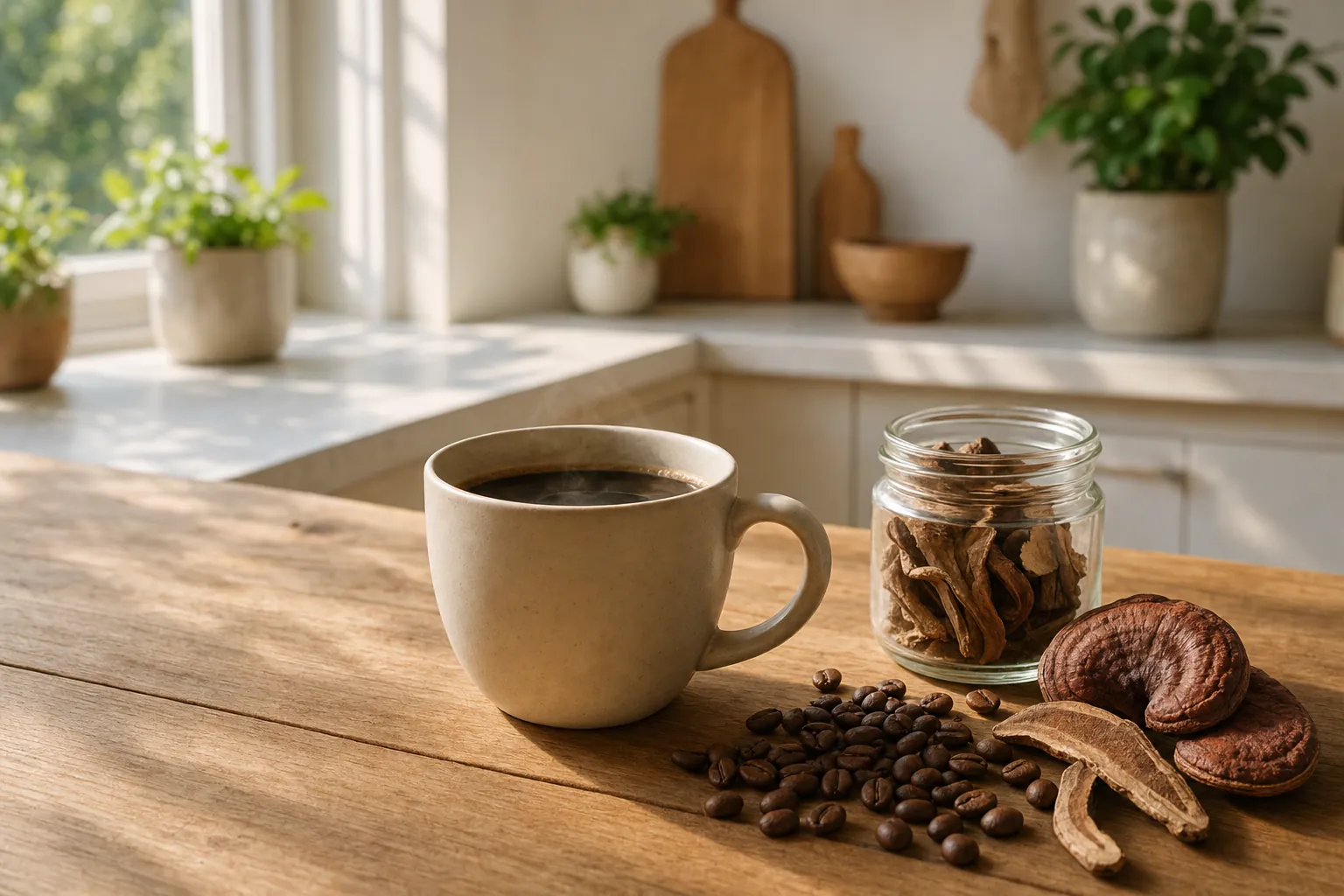
Mushroom coffee is still a coffee-style drink, not a risk-free category all by itself. A blend may contain regular coffee, instant coffee, mushroom extracts, creamers, sweeteners, cacao, tea, herbs, or several of those at once. That means the answer to “what are the side effects?” depends less on the front-label trend and more on the exact ingredients, serving size, and person drinking it.
For many adults, a mushroom coffee made as directed may simply feel like another coffee choice. For others, a lower-caffeine serving, a new ingredient, or a rich latte mix can change how the drink feels. The sensible approach is not fear or hype. It is to know what is in the cup, keep the first serving modest, and pay attention to your own response.
This guide is general information, not personal medical advice. If you have a condition, take medication, are pregnant or breastfeeding, or are choosing a drink for a child, get advice from a clinician or pharmacist who knows your situation. A product page cannot make that call for you.
The short answer: possible, but the label tells you why
The most common concerns around mushroom coffee usually come from caffeine, digestive tolerance, allergies, or the blend’s other active ingredients. A coffee-based packet can still cause the same caffeine-related problems as any other coffee if the serving is too large, consumed too late, or added on top of several other caffeinated drinks. A creamy drink mix can also contain ingredients that do not suit every stomach.
The U.S. Food and Drug Administration says that, for most adults, 400 milligrams of caffeine a day is an amount not generally associated with negative effects, while also stressing that sensitivity varies with body weight, medications, health conditions, and individual response. Its caffeine guidance is useful because it puts the focus on the whole day, not just one mug. The coffee at breakfast, afternoon tea, cola, chocolate, pre-workout, and mushroom blend all count.
A good first question is therefore simple: does this blend contain coffee or another caffeine source? The mushroom coffee caffeine guide explains what to look for on the label. A product called “mushroom coffee” is not automatically low-caffeine, decaf, or caffeine-free.
1. Caffeine can still cause jitters, anxiety, or poor sleep
Some mushroom coffee blends use less coffee than a standard cup, but “less” is not the same as “none.” Caffeine sensitivity differs dramatically from one person to the next. A serving that feels gentle to one coffee drinker may still cause a racing feeling, headache, anxiety, or sleep trouble for someone who is sensitive, underslept, or drinking it later in the day.
Start with the amount on the package rather than making an oversized mug stronger by default. Keep the first try in the morning or early afternoon, especially if caffeine has ever affected your sleep. If you have already had coffee, tea, an energy drink, or a caffeinated supplement that day, add up the total before deciding a new blend is “not working.”
People who are pregnant, trying to become pregnant, or breastfeeding should get individual advice about caffeine. The FDA specifically recommends speaking with a health care provider when a condition, medication, pregnancy, or breastfeeding could change the right limit. This is a better safeguard than copying another person’s routine.
2. Digestive comfort can vary from blend to blend
Stomach upset is not a guaranteed mushroom coffee side effect, but it is a reasonable reason to slow down. Coffee itself can be hard on some stomachs. Add-ins such as milk powder, plant-based creamers, sweeteners, fibers, sugar alcohols, or mushroom extracts may also change how a drink sits with you. A blend can be perfectly fine for one person and not a match for another.
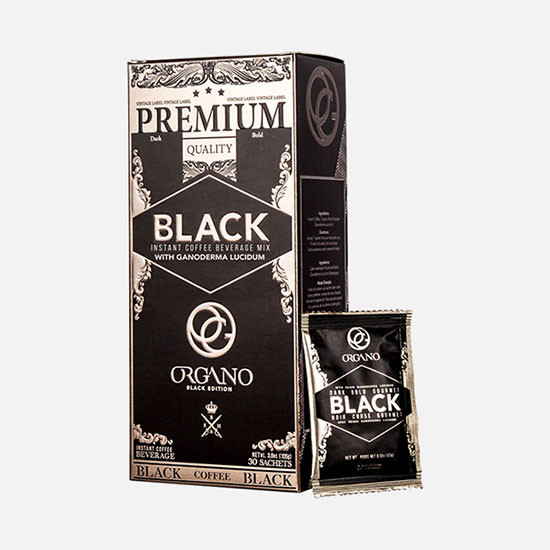
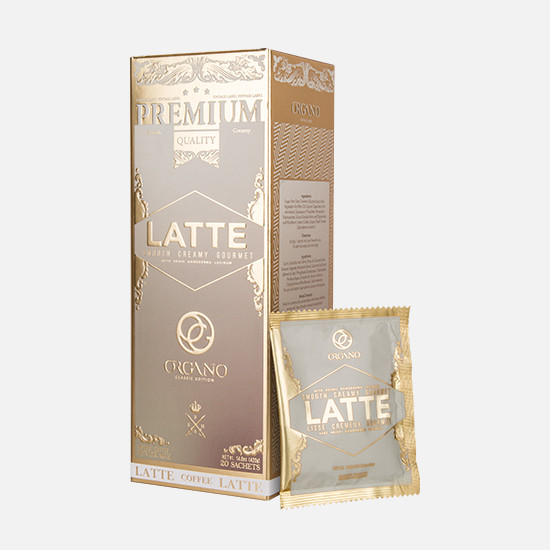
Pay attention to the whole formula. A black coffee-style blend is different from a creamy latte packet. If dairy, coconut, chicory, sweeteners, or a particular mushroom has bothered you before, the ingredient list matters more than a broad wellness claim. Try one prepared serving with food, rather than two packets on an empty stomach, and change only one variable at a time.
Research on individual mushrooms is not identical to research on a finished coffee blend. For example, the National Institutes of Health’s LiverTox review notes that small human trials of lion’s mane reported mild abdominal discomfort, nausea, or diarrhea in some participants, generally without requiring people to stop the product. That review is a useful reminder that “natural” does not mean every ingredient feels the same for every body.
3. Allergies matter, even with a familiar drink format
A mushroom coffee can contain food ingredients you have never had in a concentrated beverage routine. If you have a known mushroom allergy or have had a reaction to a particular ingredient, do not treat a new blend as a casual experiment. Check the label closely and choose a different drink unless a health professional tells you it is appropriate.
Stop using the product and seek urgent help for signs of a serious allergic reaction, such as trouble breathing, swelling of the face or throat, widespread hives, or feeling faint. Less severe but persistent symptoms are still a good reason to stop and speak with a clinician. A daily coffee habit is optional; ignoring a reaction is not.
4. Medication and health conditions deserve a real conversation
Supplement-style ingredients are not a substitute for medication advice. Mushroom species, extraction methods, doses, and added ingredients can vary widely, and the right answer depends on the person and the prescription. If you take medication, manage blood sugar or blood pressure, have an autoimmune condition, have kidney or liver disease, or are scheduled for surgery, ask a pharmacist or clinician before making a mushroom blend part of your everyday routine.
This is especially important when the product has several active ingredients. A coffee drink can look simple because it comes in a packet, but the label may include coffee, mushroom extracts, herbs, vitamins, or stimulants. Bring the full ingredient list or a clear photo of the package to the conversation. That lets a professional respond to the actual product rather than guessing from the words “mushroom coffee.”
Do not use mushroom coffee to replace treatment, delay care, or try to manage a serious symptom on your own. The most trustworthy wellness routine works alongside sound medical advice, not against it.
5. Reishi and other mushrooms are not interchangeable
“Mushroom coffee” is a category name, not one ingredient. Reishi, also called Ganoderma or Lingzhi, is different from lion’s mane, chaga, cordyceps, turkey tail, and culinary mushrooms. A useful first step is to identify the exact mushroom on the label before looking for safety information or asking a medical question.
For Reishi, the NIH’s LiverTox resource reports that clinically apparent liver injury appears to be extremely rare given its wide use. It also records a small number of published reports of liver injury associated with Lingzhi or Reishi products and notes that some reports had incomplete evidence or possible alternative explanations. The full review is more useful than an alarmist headline: rare does not mean impossible, and it does not justify assuming every Reishi drink is dangerous.
The practical takeaway is to avoid stacking multiple mushroom or supplement products without a reason. If you are already taking a concentrated mushroom capsule, adding several functional drinks can make it harder to know what you are taking and what to stop if you feel unwell. Keep a new routine simple enough to understand.
A label checklist before your first cup
You do not need to become a supplement expert to buy a coffee drink thoughtfully. You do need more than the front of the package. The front may highlight a mushroom name or a broad benefit, while the ingredient panel shows whether the product starts with coffee, uses a creamer, contains sugar, or includes other ingredients that matter to your routine.
First, look for the stated serving size. One packet, one scoop, and one prepared cup are not always the same amount. Next, find the coffee or caffeine source, if there is one. Coffee, tea, cacao, guarana, and yerba mate can all affect how a product feels. Then identify the exact mushroom or mushrooms. Reishi, lion’s mane, chaga, and cordyceps are different ingredients, so a question about one is not automatically answered by information about another.
Finally, look at the rest of the formula. A creamy latte mix may include milk-derived ingredients, coconut, sweeteners, or flavors. A black coffee blend may leave more of the choice to you. Neither approach is automatically better. The useful question is whether the formula matches what you already tolerate and enjoy. If a label is unclear about serving size or ingredients, choose a product with clearer information rather than guessing.
How to try mushroom coffee more thoughtfully
A cautious first cup does not need to be complicated. Choose one blend, make it exactly as directed, and drink one serving at a time. Avoid combining it with other new supplements on the same day. If caffeine is a concern, keep it earlier in the day and look at your total intake, not only the number on one packet.
- Read the ingredient panel. Check the coffee base, mushroom species, serving size, sweeteners, creamers, and any other caffeine sources.
- Begin with one normal serving. Do not double a scoop or packet to chase a stronger effect or a bigger flavor.
- Keep the rest of the routine familiar. New food, alcohol, pre-workout, and several supplements at once make a reaction harder to interpret.
- Take note of timing. If the drink affects sleep, move it earlier or choose a different format instead of pushing through.
- Stop when something feels wrong. Persistent symptoms, a possible allergy, or a concerning change are reasons to stop and get appropriate advice.
This approach is not overly cautious. It is how you find out whether a product fits your routine without turning a coffee experiment into a guessing game. The mushroom coffee preparation guide can help you make the first cup properly, while the taste guide helps you choose a format that you are more likely to enjoy.

Choosing from Mushroom Coffee Boost
Mushroom Coffee Boost helps most when shoppers can choose by format instead of relying on vague promises. For a simple, unsweetened starting point, Gourmet Black Coffee lets you control the milk and sweetness after mixing. For a softer café-style cup, Gourmet Cafe Latte offers a creamier format with a different ingredient profile.
If you want to compare coffee styles before settling into a repeat order, the Coffee Selection Variety Pack gives you a straightforward way to test one product at a time. Use the product pages to review the ingredient details, then choose the format that best fits your usual coffee habit. The goal is a cup you enjoy and understand, not a dramatic health claim.
The bottom line: mushroom coffee may be an easy coffee option for some people, but it is still worth treating like any other caffeinated or supplement-style drink. Read the label, start with one serving, respect your own caffeine tolerance, and get individualized guidance when medication or a health condition is part of the picture.
Frequently asked questions
Can mushroom coffee cause side effects?
It can. The most likely issue is usually the caffeine or another ingredient in the specific blend, not the word “mushroom” on its own. Read the serving directions and ingredient list, start with one serving, and stop using a product if it does not agree with you.
Is mushroom coffee easier on the stomach than regular coffee?
Not for everyone. Some people may find a lower-caffeine blend easier to tolerate, but coffee, creamers, sweeteners, fibers, and mushroom extracts can all affect digestion differently. A gentle first test is more useful than assuming one format works for every stomach.
Can I drink mushroom coffee if I take medication?
Ask a pharmacist or clinician before making it part of your routine. Supplement blends can vary widely, and the right answer depends on the exact mushroom, dose, medication, and health history.
Who should avoid mushroom coffee without medical advice?
People who are pregnant, trying to become pregnant, breastfeeding, managing a medical condition, taking prescription medication, or buying for a child should get individual advice first. The same caution applies to anyone with a history of allergy to mushrooms or ingredients in the blend.
Related posts
 Coffee
Is Mushroom Coffee Good for You? Benefits and Limits
Mushroom coffee can be a practical lower-caffeine coffee choice, but the real benefits depend on the blend, the evidence, and what fits your routine.
 Coffee
How to Make Mushroom Coffee: 3 Easy Ways
Make mushroom coffee with an instant blend, brewable coffee, or a simple at-home mix. Learn which method fits your routine and how to make the cup taste right.
 Coffee
What Does Mushroom Coffee Taste Like? A Straight Answer
Mushroom coffee usually tastes more like coffee than mushrooms. Learn what changes the flavor, what to expect from each format, and how to choose your first cup.